

AI on the shelves of Kazakhstan’s stores: what will change over the next three years
Artificial intelligence is rapidly becoming part of the retail operating model, moving fr om the category of innovation to an industry standard, Forbes Kazakhstan reports. For the largest international retail chains, the implementation of AI is no longer an experiment but a mandatory element of the digital ecosystem. For example, Walmart optimizes inventory management across thousands of stores, H&M has reduced warehouse surplus by billions of dollars, and Inditex uses real-time data for more accurate assortment replenishment.
Different AI technologies address a wide range of tasks. Generative models and large language systems are used in customer service, feedback analysis, and staff training. Predictive analytics helps forecast demand, manage resources, and identify deviations in operational processes. Computer vision is used to analyze visitor flows, improve security, and prevent losses.
At the same time, AI implementation is not a one-time step, but the result of a gradual evolution of IT infrastructure. Kazakhstani companies have also followed this path, starting with basic digitalization and moving toward more complex solutions. In the Magnum Cash & Carry network, the Big Data direction has been developing for several years, gradually strengthening the business’s analytical capabilities.
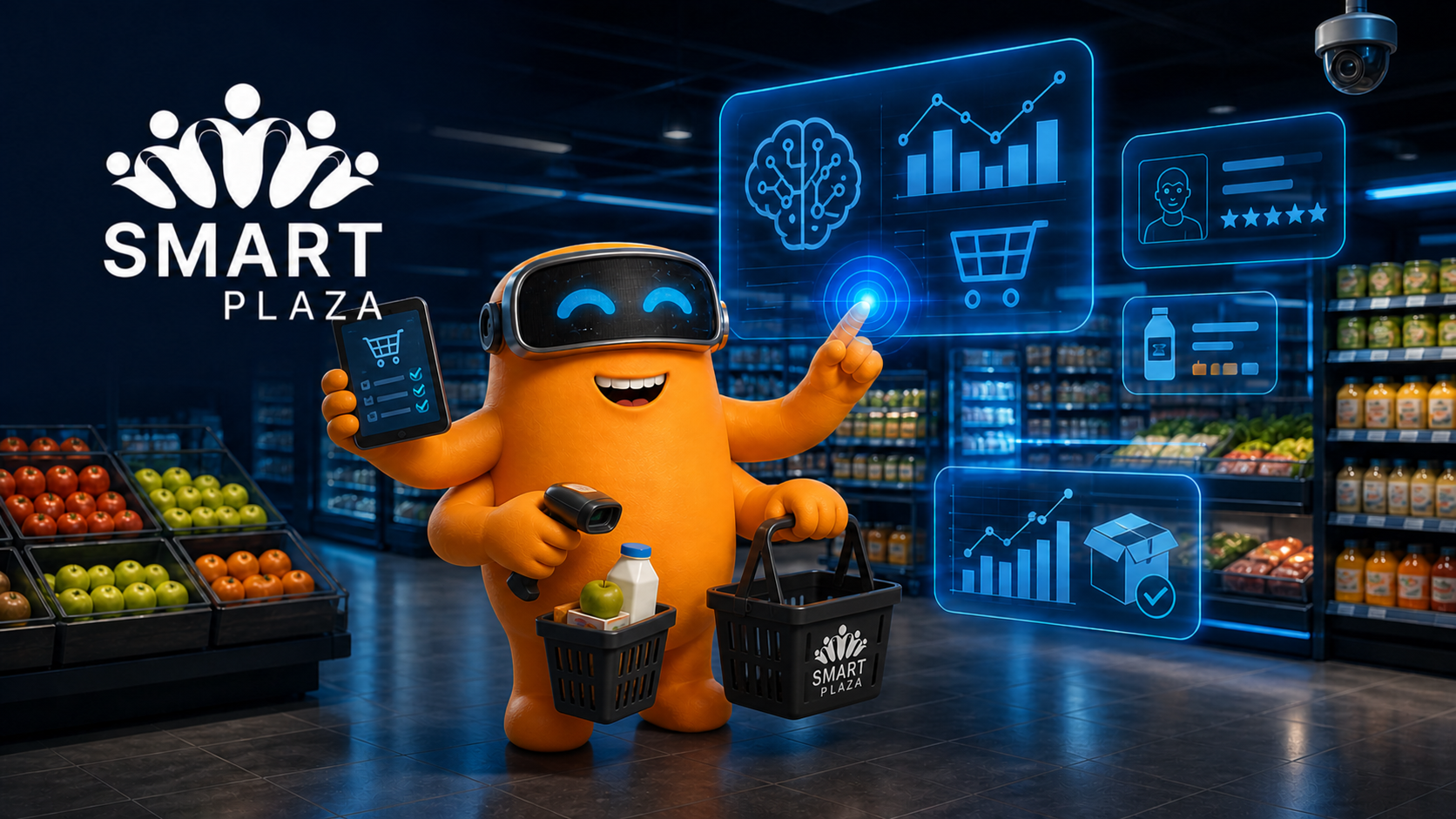
In the management company TSPM., the implementation of digital solutions has been carried out since 2014. Today, the company develops its own products, including the TS-Online platform and the Smart Plaza application. AI integration began in 2025 as part of the overall digital transformation strategy.
“We implement AI wh ere it delivers measurable impact: time savings, reduced workload for staff, and increased process transparency. For us as a management company, AI opens up opportunities to analyze correlations between various factors that can improve the efficiency of shopping malls: traffic, weather, marketing activities, and events,” the company’s press service commented.
The use of AI already allows routine tasks to be automated and speeds up management decision-making. Employees gain access to aggregated data through corporate interfaces, which significantly reduces the time needed for information analysis.
“In Kazakhstan’s retail sector, AI is applied more selectively and gradually than in global markets, with individual solutions mainly being introduced in analytics, marketing, customer service, and operational processes. The market is at the stage of pilots and initial scaling, although interest in the technology is clearly growing. AI has strong potential in shaping customer orders and recommendations, including selecting optimal promotions and offers. This directly improves the customer experience,” TSPM. comments on the specifics of AI adoption in the local industry.
For consumers, changes will happen almost imperceptibly but systematically. Service quality will improve, product shortages will decrease, and service speed will increase both at checkout and in online channels. At the same time, for store employees, AI is already becoming an important tool in daily operations.
It helps monitor product availability, analyze sales, identify losses, and optimize product placement. Suppliers receive more accurate analytics and automated notifications about the need to replenish stock.
Online retail is also undergoing active transformation. AI enables personalized offers, logistics optimization, and improved order management efficiency. In Kazakhstan, the share of e-commerce continues to grow, gradually narrowing the gap with developed markets.
Despite clear advantages, AI implementation comes with a number of challenges. These include resistance to change, fragmented IT systems, a lack of high-quality data, and the high cost of infrastructure. In addition, questions remain regarding regulation and responsibility for decisions made by algorithms.
Over the next three years, retail will move to a new stage of development—agentic intelligence. AI will become not only an analytical tool but also a participant in operational processes. Autonomous systems will be able to manage procurement, interact with suppliers, and support employees in real time.
Thus, artificial intelligence is becoming a key driver of industry transformation. Its adoption will continue to grow, shaping a more efficient, technologically advanced, and customer-oriented retail environment in Kazakhstan.