

Digital Transformation as a Business Tool: Expert Perspective of TSPM. Partner Alexey Khegay
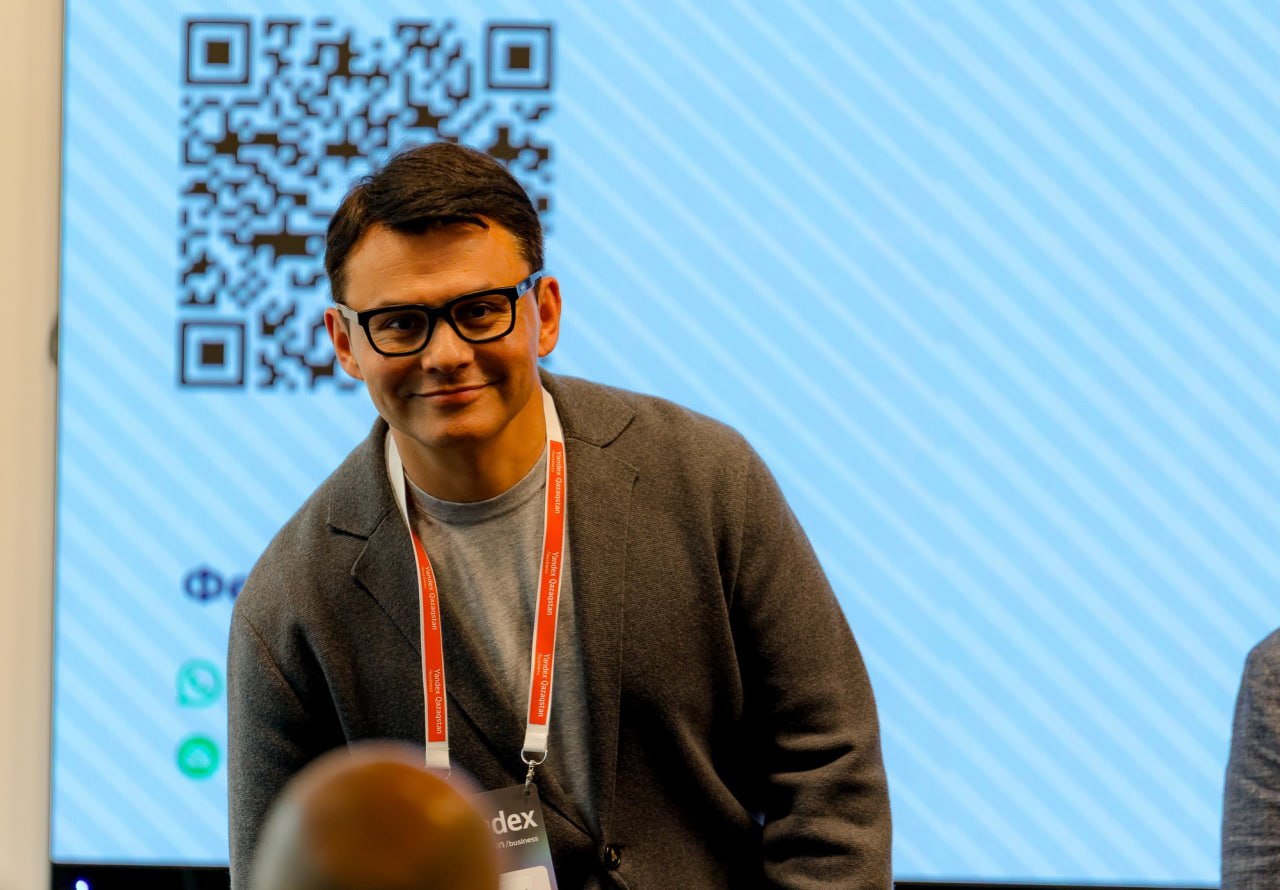
Digital transformation begins not with technology, but with managerial commitment, a clearly defined business objective, and high-quality data. This was stated by Alexey Khegay, Partner at TSPM., during the closed workshop “Digital Transformation of Kazakhstan: Fr om Demand for Digital Products to Real Business Impact”, organized by InfoLine and Yandex Qazaqstan.
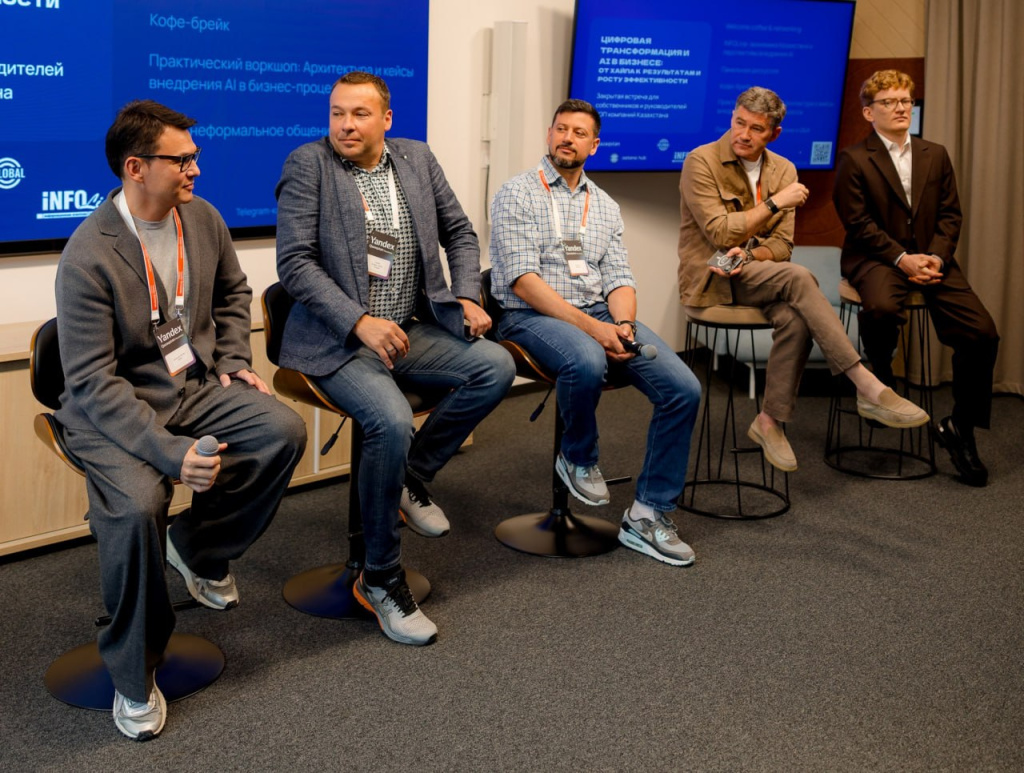
The event took place on May 26 in Almaty at the Yandex office. As part of the plenary discussion, Alexey Khegay shared his expertise in development, commercial real estate, and shopping and entertainment center management.
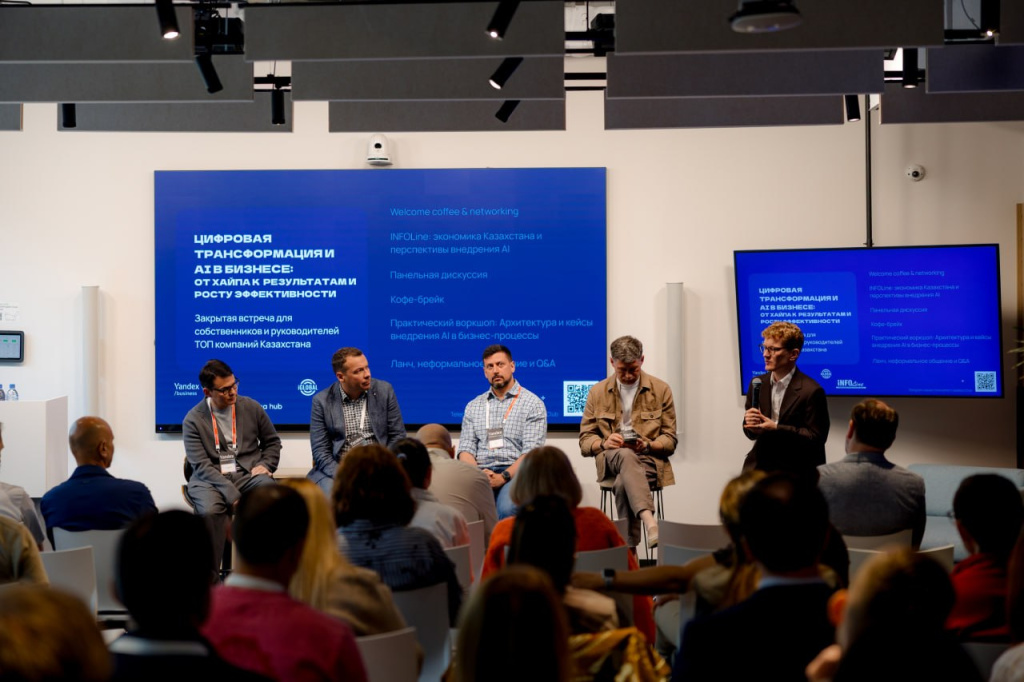
The central topic of the discussion was practical digitalization — not as a collection of trendy IT solutions, but as a tool for improving operational efficiency, enhancing the quality of management decisions, and achieving measurable financial results.
According to Alexey Khegay, digital transformation in commercial real estate must address specific business challenges, including increasing tenants’ revenues and asset NOI, gaining deeper insights into customer behavior and traffic flows, accelerating decision-making, reducing operational losses, and improving risk management, security, ESG performance, technical operations, and customer experience.
The expert noted that digital transformation in Kazakhstan remains uneven. At the consumer-service level, the country demonstrates a high degree of digital maturity: banking applications, QR payments, eGov services, marketplaces, and delivery platforms have become an integral part of everyday life. However, within many companies, digitalization remains fragmented — data is scattered across different systems, integration is limited, and some management decisions are still made manually.
This challenge is especially visible in commercial real estate. Data related to leasing, tenant sales, traffic, parking, marketing, engineering systems, service requests, security, and finance is often stored in separate systems. In Alexey Khegay’s view, true digital transformation begins when this data is integrated and becomes the foundation for management decision-making.
The discussion also focused on the role of artificial intelligence in business. Participants emphasized that AI should not be perceived as a standalone “toy” or a replacement for management. Its real value emerges only wh ere high-quality data, mature processes, knowledge bases, clear regulations, access controls, and management discipline are already in place.
One of the key conclusions of the discussion was that the primary barrier to digital transformation is not technology itself. Technology can be purchased. What is far more difficult is ensuring data quality, redesigning business processes, overcoming employee resistance, establishing accountability, and building a fact-based management culture.
Alexey Khegay stressed that digitalization must be driven by the business, not solely by the IT department. IT teams can implement technological solutions, but they cannot independently transform processes, motivation systems, regulations, or management culture. Without the involvement of shareholders, CEOs, and top management, digital transformation risks becoming a disconnected set of initiatives without tangible business impact.
Participants concluded that the value of digitalization should not be measured by the number of implemented systems, but by how effectively a company can gain visibility into its business operations, improve financial and risk management, enhance customer experience, and make higher-quality management decisions.
In this context, artificial intelligence is not a substitute for management, but a tool that strengthens a mature management system and helps identify weaknesses in inefficient processes more quickly.