

INFOLine: The war in the Middle East will drive demand and prices for warehouse space in Central Asia
Analytical agency INFOLine expects a significant increase in demand for warehouse infrastructure across Central Asian countries amid the escalation of the conflict in the Middle East and the disruption of established logistics chains. An “ideal storm” is forming for regional consumer markets: sharply rising transportation costs, supply disruptions, and the need to build strategic inventories.
According to INFOLine estimates, container shipping costs have already risen by 50–100%, while air freight rates have increased by 20–30%. These factors will inevitably translate into higher prices for end consumers and a shift by businesses from the traditional just-in-time logistics model toward deeper inventory storage.
“Uzbekistan appears to be the most vulnerable among Central Asian countries. This is due to structural characteristics of its foreign trade: around 18.9% of cargo transportation between Central Asia and Iran is accounted for by Uzbekistan. The southern corridor through Iranian seaports is one of the country’s nine key international routes, so its blockage has a systemic impact on imports and transit,” commented Stanislav Akhmedzyanov, Managing Partner at IBC Global.
Turkmenistan faces a different type of risk. The country shares a direct border with Iran and is heavily dependent on supplies of food and consumer goods from its neighbor. The western Balkan velayat is particularly vulnerable. In addition, Turkmenistan has served as a transit corridor for shipments from Iran to Uzbekistan and Kazakhstan. With this route halted, the country risks shifting from a transit buffer to a logistical dead end.
Although Kazakhstan is not directly involved in the conflict, it is already experiencing its consequences. Imports of vehicles from the UAE have virtually stopped: Iran’s Port of Bandar Abbas is inaccessible, ferry services have been suspended, and a significant number of vehicles are stranded in the ports of Rashid and Al-Hamriyah. Deliveries via Turkmenistan toward Aktau and Almaty have also been suspended. Operations at Jebel Ali Port — the largest re-export hub in Central Asia’s trade network — are likewise constrained. At the same time, Kazakhstan retains its role as a key channel for the supply of Chinese goods via Khorgos. However, rising oil prices, increasing insurance premiums, and overall inflationary pressure are adding strain to the country’s economy through secondary channels.
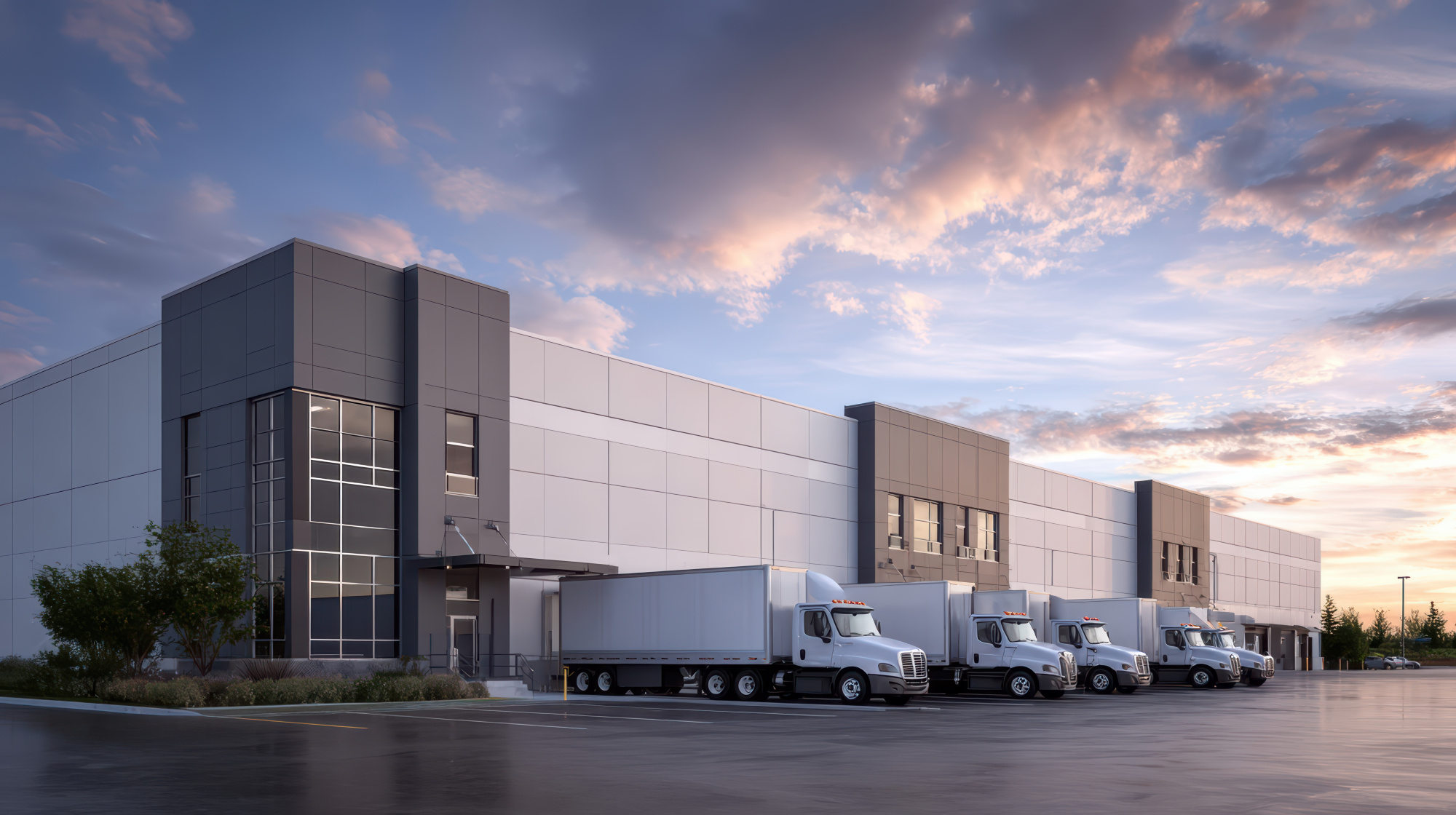
According to INFOLine analysts, all countries in the region are moving toward a similar adaptation strategy — building deeper buffer stocks of goods. This will inevitably lead to growing demand for modern warehouse facilities, particularly Class A space, as well as rising rental rates and increased investment activity in logistics real estate.
“Businesses are forced to move from a model of minimal inventories to a model of resilience. Warehouses are becoming a key element of crisis-response infrastructure — as important as transport or the financial system,” INFOLine notes.
Experts forecast that demand for warehouse space in the region will grow at an accelerated pace in the coming months, while new logistics complex development projects will receive an additional investment boost.