

Focus on Regions: Shymkent Set to Become Kazakhstan’s Third Logistics Hub
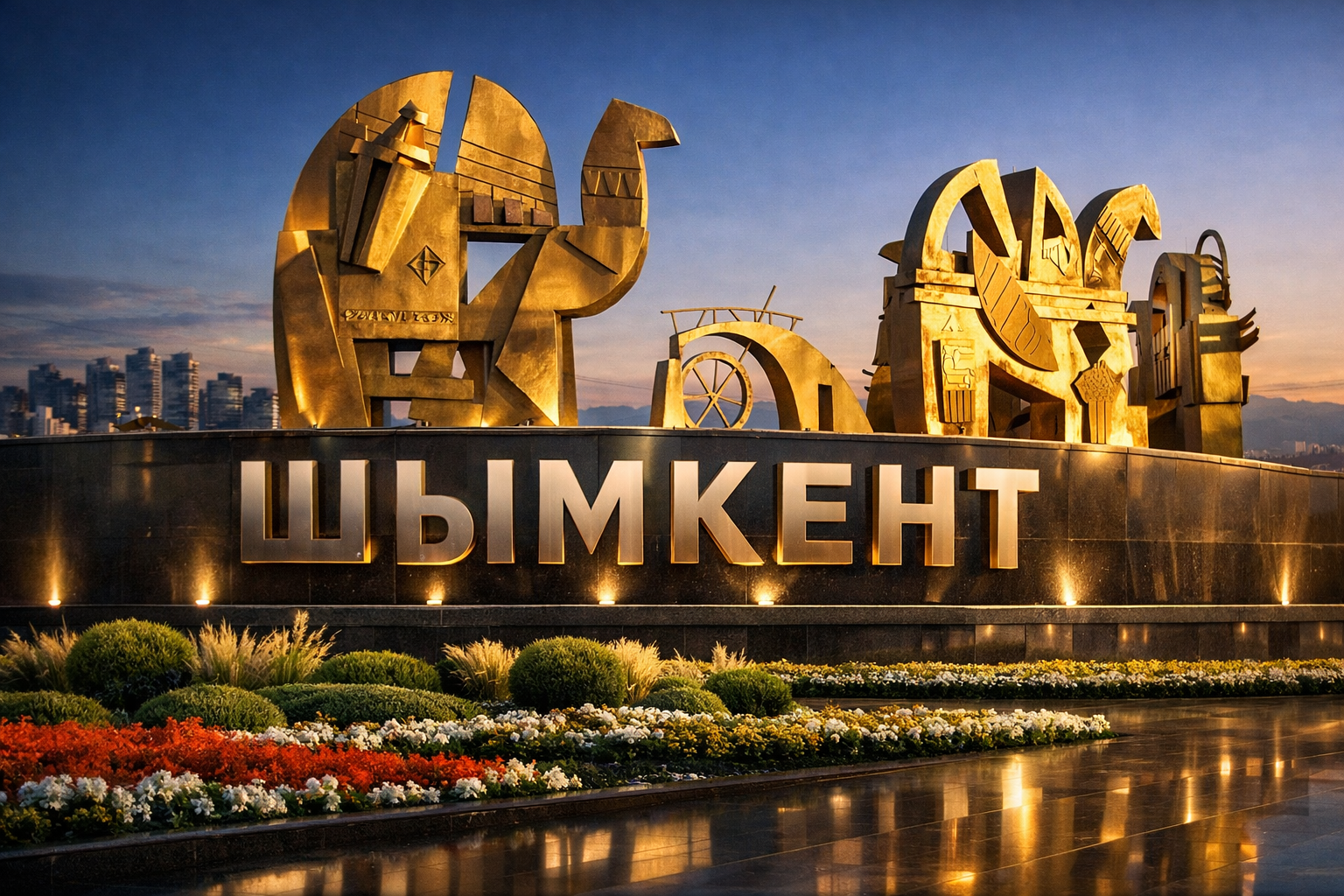
“A new trend is emerging in Kazakhstan’s warehouse market — following Almaty and Astana, demand and development activity are shifting toward regional cities. Shymkent, the country’s third-largest city with a population of 1.29 million and annual growth of +37,500 residents, has become the leading candidate for the role of a southern logistics hub,” says Stanislav Akhmedzyanov, Managing Partner at IBC Global.
The city enjoys a strategic location at the intersection of international transport corridors, just 200 km from Tashkent and with direct access to the 43-million-consumer market of Uzbekistan and Kyrgyzstan. At the same time, modern warehouse infrastructure remains крайне limited.
Overall, macroeconomic conditions are creating a solid foundation for warehouse demand across the country. However, infrastructure development is lagging behind — particularly outside the two largest metropolitan areas. As of early 2026, according to IBC Global experts, Kazakhstan’s total stock of quality warehouse space (Class A+B) reached 2.21 million sq m. In 2025 alone, 628,000 sq m were commissioned — a record increase. Yet approximately 78% of this volume is concentrated in the Almaty and Astana agglomerations, leaving only about 22% for the rest of the regions.
Shymkent: Strong Potential, Limited Infrastructure
The total stock of Class A+B warehouses in Shymkent stands at 110,000 sq m, accounting for just 5% of Kazakhstan’s quality warehouse supply. For a city with a population of 1.29 million, this translates into only 0.085 sq m per capita — five times lower than the Russian average (0.39 sq m per capita) and more than fifty times lower than in the United States (4.8 sq m per capita). Actual demand is estimated at 180,000–230,000 sq m, meaning the city needs roughly twice as much modern warehouse space as is currently available.
Within this volume, the situation is even more acute. Class A warehouses in Shymkent total only 56,300 sq m, representing 8.1% of the country’s total high-quality warehouse stock (697,000 sq m). Multi-temperature facilities (chilled/frozen storage) account for just 15,000 sq m, while demand is estimated at 60,000–100,000 sq m — a deficit four to seven times larger than the existing supply. Shymkent is the country’s largest agro-industrial hub, producing vegetables, fruits, meat, and dairy products — all requiring temperature-controlled storage that is currently in short supply.
The Light Industrial format is completely absent in the city. The key barrier is not tenant demand: companies from the FMCG, pharmaceutical, retail, and e-commerce sectors are ready to sign leases. The real constraint is the lack of facilities meeting modern technical specifications.
The first tangible response to this demand will be a new project by IBC Global, to be developed within an industrial zone in a strategic location. If construction begins this year, the region will gain 20,000 sq m of modern warehouse space in the first phase by the end of 2027. The total project volume is 60,000 sq m. Once completed, the stock of Class A warehouses in Shymkent will more than double — from 56,300 to approximately 116,300 sq m. The industrial zone will provide a development platform with ready infrastructure — utilities, land plots, and logistics access — reducing implementation timelines and risks for both developers and tenants.
Shymkent is not only the country’s third-largest city but also a key trade gateway to Central Asia. Direct access to the markets of Uzbekistan (37 million people) and Kyrgyzstan (7 million) transforms a warehouse in Shymkent from a regional asset into a potential regional distribution center. Local developers are recognizing this potential earlier than national players — entering the market while competition remains limited.
“Shymkent has long ceased to be just a transit city — it is a fast-growing consumer market with its own dynamics. Those who enter now will secure long-term tenants and establish their positions before major players arrive,” says Yesenaman Alzhanov, Head of ES Development and Shymkent Outlet, and Chairman of the Shymkent branch of the PARASAT business club.