

Vacancy Growth Creates New Opportunities for Almaty’s Warehouse Market
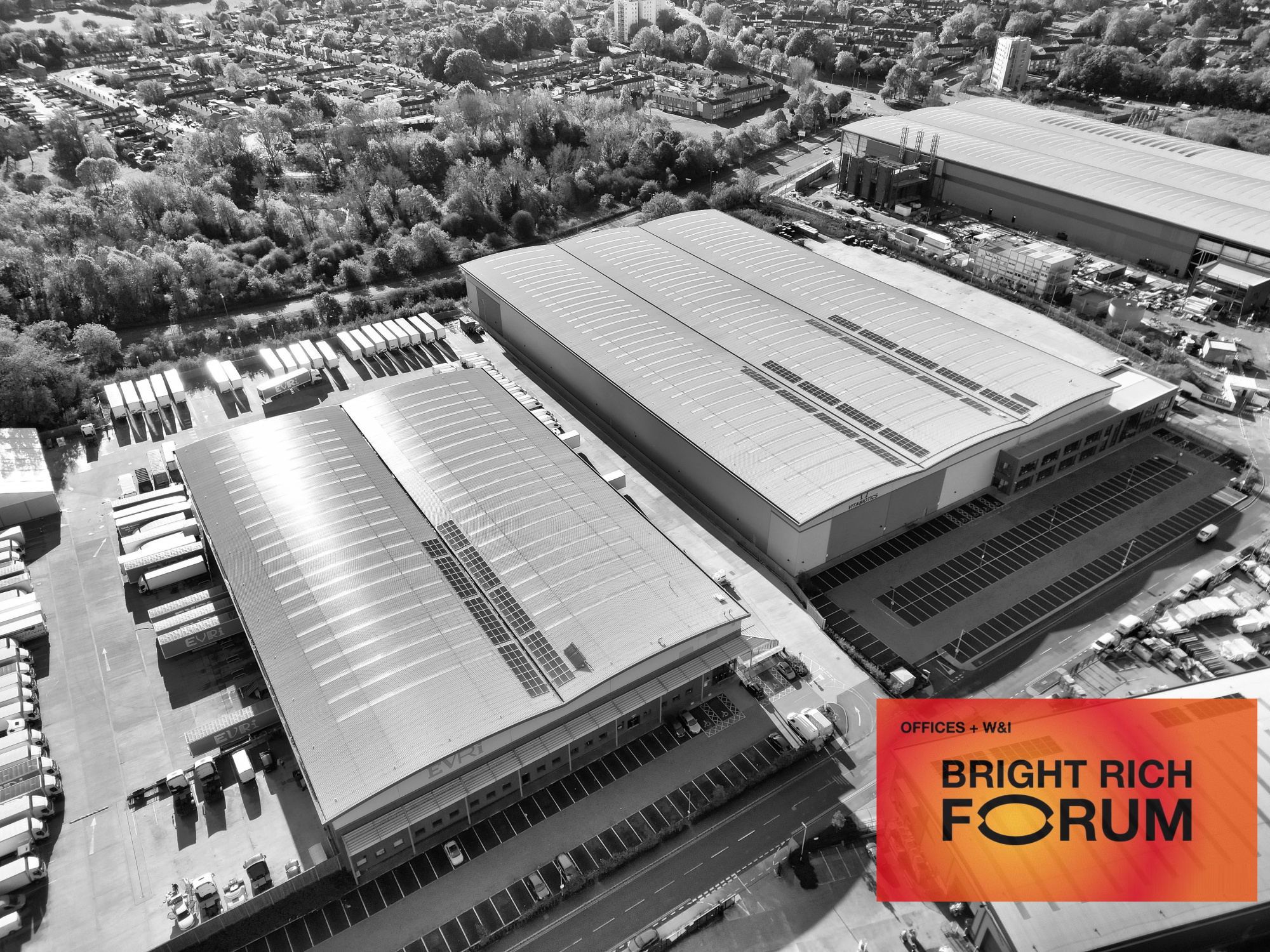
Almaty’s warehouse market is undergoing a significant transformation. After several years of acute supply shortages, the sector has entered a new phase characterized by growing availability and greater choice for occupiers. At the same time, industry experts remain confident that strong structural fundamentals will continue to support demand for logistics real estate over the long term.
These trends were among the key topics discussed at the Bright Rich Forum, held in Almaty on May 20–21, bringing together leading participants from Kazakhstan’s commercial real estate industry.

According to Artemiy Pestovskiy, Partner and Director of Bright Rich | CORFAC International Kazakhstan, the vacancy rate in Almaty’s warehouse market increased more than seventeenfold between the beginning of 2024 and May 2026, rising from 0.78% to 13.3%. In absolute terms, available warehouse space reached 179,000 square meters.
The increase in vacancy has been primarily driven by strong development activity. Following years of undersupply, the market absorbed a substantial volume of new logistics facilities. Between early 2024 and May 2026, approximately 468,400 square meters of warehouse and logistics space were delivered in Almaty.
The increase in supply has also affected rental rates. During the same period, rents for Class A warehouse facilities declined by 5.9%, reaching KZT 4,250 per square meter per month.
According to Pestovskiy, the current market environment is creating a new competitive landscape for property owners.
“Rising vacancy is a warning sign for landlords but good news for occupiers, who, after years of limited availability, now face a much broader selection of options. In the long run, high-quality projects in strong locations will outperform, as modern warehouse facilities have a direct impact on operational efficiency,” he said.Denis Maslov, Managing Director of X5 Real Estate, offered a similar assessment of the market’s future prospects. In his view, Kazakhstan’s logistics real estate sector is following a development path similar to that of the Russian market, but at a considerably faster pace.
Maslov believes that continued growth will be supported by the expansion of e-commerce, potential reductions in interest rates, and the country’s still relatively low warehouse space per capita. Additional momentum is expected to come from digitalization and the adoption of automation and robotics, which improve operational efficiency and enhance the investment appeal of logistics assets.
Industry participants also point to strong long-term fundamentals. According to Dias Galiyev, CEO of Focus Logistics, demand for modern warehouse facilities is expected to remain robust due to growing domestic consumption and the development of new investment vehicles.
One such vehicle is the Real Estate Investment Trust (REIT), which enables private investors to gain exposure to commercial real estate through collective investment structures.
Galiyev believes warehouse properties could become one of the most attractive asset classes for REIT portfolios. Unlike office leases, which typically run for up to five years, warehouse facilities often secure tenants under agreements lasting eight to fifteen years, providing investors with more predictable and stable cash flows.
Despite the current increase in vacancy, market participants agree that logistics real estate remains one of the most promising segments of Kazakhstan’s commercial property market. The continued growth of e-commerce, ongoing investment in logistics infrastructure, and rising consumer demand are expected to sustain long-term demand for modern warehouse facilities.